
MATERIALS AND FINISHES

Choosing Wood for Commercial Furniture: Solid Wood, Plywood and Engineered Board

Wood decides how long furniture lasts and how it looks. Here is a plain guide to solid wood, plywood and engineered boards for commercial use.
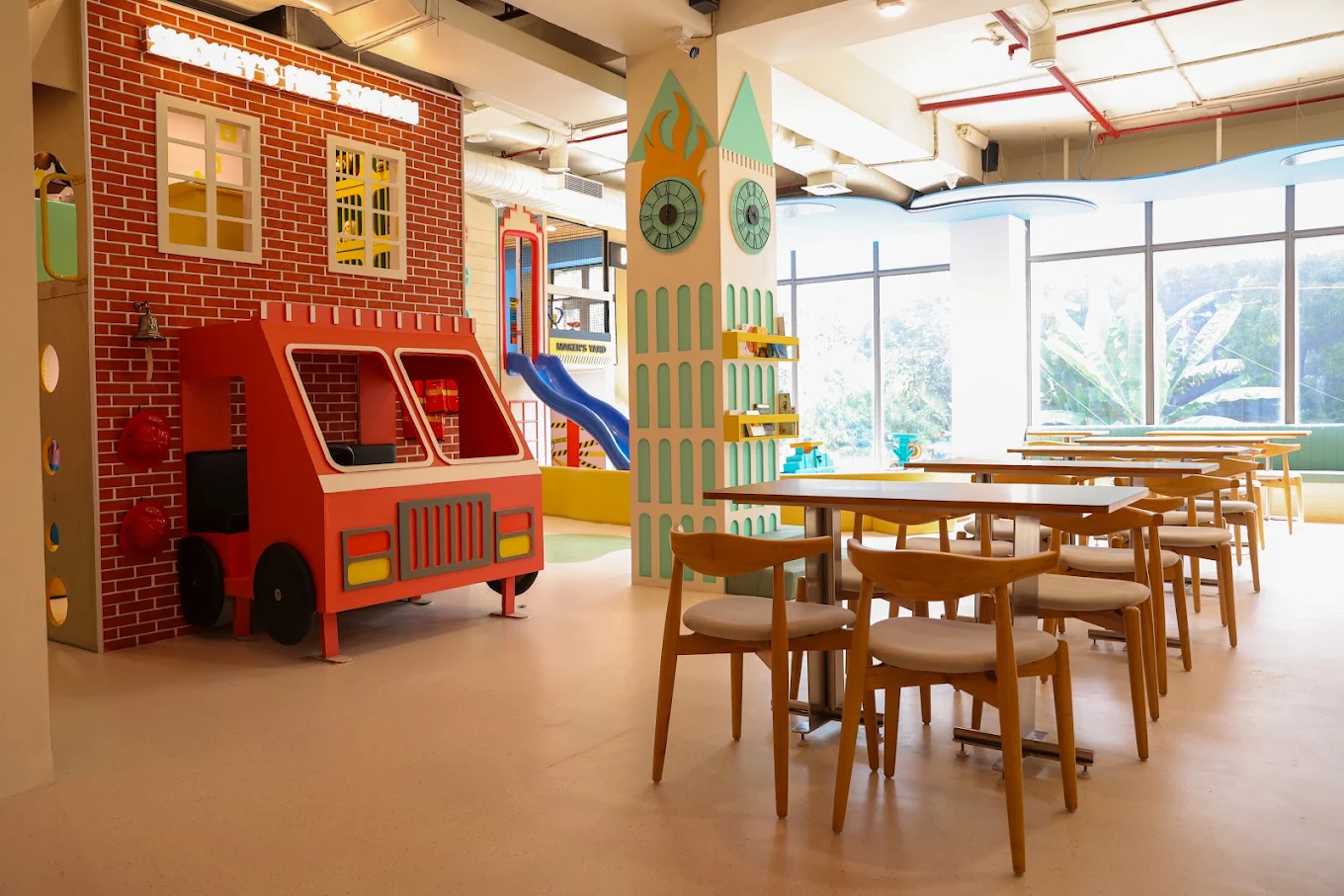
Family cafe with custom wooden dining tables and chairs and a play area, furnished by Jivara

In short

01Solid woodStrong and repairable, best for frames and tabletops
02PlywoodStable and strong for panels, seats and cabinets
03MDF and boardsSmooth for painted or veneered pieces, weaker with water
04Finish mattersGood lacquers and edges protect the wood
Get free consultation ↓

Different parts, different materials

No single material suits every part of a piece of furniture. Solid wood gives strength and a beautiful look in frames and legs, plywood resists warping in panels, and boards with veneer or laminate give a smooth, consistent finish at lower cost. Good makers combine them.

Solid wood: strong and repairable

Hardwoods such as sheesham, teak, mango and similar timbers are commonly used for frames and visible parts because they can be repaired and refinished. Solid wood moves with changes in humidity, so good joinery and seasoning matter. Ask what timber is used and how it is dried.

Which material for which part

A commercial furniture pieceDifferent parts need different materials
Frames and legsSolid hardwood for strength and repair
Panels and seatsPlywood for stability and strength
Veneered surfacesBoard with veneer or laminate for flat finish

Plywood: stable and strong

Plywood is made of layers glued with alternating grain directions, which makes it resist warping and splitting. Quality varies with the core, glue and thickness, so ask about the grade and the adhesive used, particularly for places with moisture such as kitchens and bathrooms.

MDF and particle board

MDF has a smooth surface that takes paint and veneer well and suits decorative panels. It is weaker around screws and swells if water gets in, so it suits dry, protected parts rather than outdoor or wet areas. Lower-grade particle board is generally poor for heavy commercial use.

Finishes and edges protect the wood

Lacquer, polyurethane and laminates add protection against stains, scratches and heat. Edges, corners and the underside of tabletops are where damage starts, so ask how they are sealed. A good finish keeps furniture looking new through repeated cleaning.

Joinery separates good from average

Strong joints such as mortise and tenon or dowels, plus metal brackets where needed, matter more than the wood name. Chairs in particular fail at the joints. Ask how seats, legs and backs are joined and whether there are load tests.

Be specific in your specification

Write down the wood, thickness, finish and hardware for each part, not just a general description. A written specification lets different makers quote on the same basis and protects you from substitutions during production.

Wood checklist before approval

Material for each part confirmed
Moisture and humidity conditions considered
Joinery method agreed with the maker
Edge and surface finish specified
Sample finish approved in writing

0 of 5 ticked

Summary

The key points, at a glance

  • Different parts, different materials. No single material suits every part of a piece of furniture.
  • Solid wood: strong and repairable. Hardwoods such as sheesham, teak, mango and similar timbers are commonly used for frames and visible parts because they can be repaired and refinished.
  • Plywood: stable and strong. Plywood is made of layers glued with alternating grain directions, which makes it resist warping and splitting.
  • MDF and particle board. MDF has a smooth surface that takes paint and veneer well and suits decorative panels.
  • Finishes and edges protect the wood. Lacquer, polyurethane and laminates add protection against stains, scratches and heat.
  • Joinery separates good from average. Strong joints such as mortise and tenon or dowels, plus metal brackets where needed, matter more than the wood name.
  • Be specific in your specification. Write down the wood, thickness, finish and hardware for each part, not just a general description.

Jivara makes custom furniture in solid wood, plywood and engineered boards for restaurants, hotels, offices and institutions. Tell us the setting and we will recommend materials.

Get free consultation

Planning a project? Talk to us first.

Tell us about your space, quantities and timeline. Our team will review your brief and come back with practical next steps.

Free consultation with the Jivara teamCommercial furniture made to your sizeDelivery and installation across India

Prefer to talk? Call +91 99996 38268 or message us on WhatsApp.

    REQUEST A CATALOGUE

    Get our catalogue

    Tell us where to send it and we will share our latest catalogue.