
Custom commercial furniture for hotels, restaurants and offices
Furniture is often ordered last, yet it decides whether you open on time. Here is a simple timeline for planning a commercial furniture project.
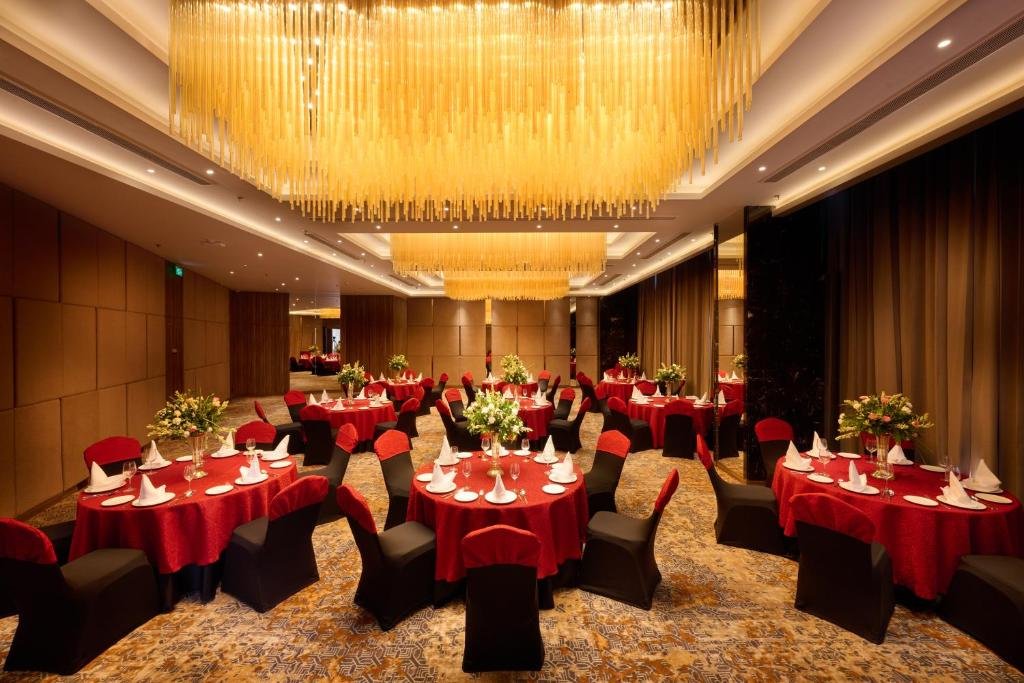
Fix the date you need furniture in place, then count back through installation, delivery, production, approvals and design. If the numbers do not fit, you can adjust scope or phases early, rather than discovering the problem a few weeks before opening.
Good measurements, a floor plan and a clear brief save weeks. Include seat counts, styles, materials, budget and finish references. Confirm site dimensions rather than relying on old drawings.
The maker prepares drawings and a specification, and you compare quotations on the same brief. Use this stage to settle sizes, upholstery and finishes. Changes made here cost nothing compared with changes made during production.
A sample chair or table lets you check size, comfort, finish and build before bulk production. Approve it in writing, because it becomes the standard the production run is checked against.
Lead times depend on quantity, complexity and materials, and vary widely between makers, so ask for a written schedule rather than relying on a general figure. Ask about checks during production and a final inspection before dispatch.
The site must be ready for furniture to arrive: floors finished, painting complete and access clear. Furniture delivered into an unfinished site is easily damaged. Coordinate dates with contractors so installation can proceed smoothly.
Installation includes assembly, fixing banquettes and final adjustments. Inspect each piece against the approved sample, record any issues and agree how after-sales service and repairs will work.
Jivara plans furniture projects with clients from brief to installation. Tell us your opening date and scope and we will help you build a realistic schedule.